
- English
- Español
- Português
- русский
- Français
- 日本語
- Deutsch
- tiếng Việt
- Italiano
- Nederlands
- ภาษาไทย
- Polski
- 한국어
- Svenska
- magyar
- Malay
- বাংলা ভাষার
- Dansk
- Suomi
- हिन्दी
- Pilipino
- Türkçe
- Gaeilge
- العربية
- Indonesia
- Norsk
- تمل
- český
- ελληνικά
- український
- Javanese
- فارسی
- தமிழ்
- తెలుగు
- नेपाली
- Burmese
- български
- ລາວ
- Latine
- Қазақша
- Euskal
- Azərbaycan
- Slovenský jazyk
- Македонски
- Lietuvos
- Eesti Keel
- Română
- Slovenski
- मराठी
- Srpski језик

Drill Bit Types and Uses: How to Choose for Wood, Metal, and Concrete
2026-10-31
Choose a drill bit by the material and the hole you need, then check its shank, working length, and permitted drill mode. Twist bits cover many ordinary drilling tasks; brad-point and Forstner bits solve specific woodworking needs; masonry bits suit their labeled brick or concrete applications. A bit that fits the chuck still needs a capacity and application check.
A drill bit is a cutting accessory used to make a hole. Its name may describe its shape, material, coating, or interface. That is why “twist,” “HSS,” “titanium-coated,” and “SDS” do not belong in a list of mutually exclusive choices. Understanding those differences makes a mixed bit set easier to sort and a purchase specification easier to write.
For buyers matching accessories to cordless drills or rotary hammers, our recommendation is to specify a complete working combination. Start with the finished hole, not the color of the bit or the number of pieces in the case.
Drill bit types and uses: quick reference chart
Use this drill bit types chart to find a starting category. The material rating and instructions for the actual accessory decide its permitted use. A common shape can appear in several materials, sizes, and shank designs.
| Type | Identification clue | Typical task | Main selection check |
|---|---|---|---|
| Twist drill bit | Helical flutes and a pointed cutting end. | Ordinary round holes in materials covered by its rating. | Base material, point design, diameter, and cutting conditions. |
| Brad-point bit | A projecting center point and outer cutting spurs. | Accurately positioned holes in wood. | Wood type, hole depth, and entry/exit finish. |
| Spade / paddle bit | A flat, broad blade with a center point. | Utility holes through wood. | Tool capacity, control, and acceptable surface finish. |
| Wood auger bit | Deep helical flutes, commonly with a threaded lead point. | Wood boring where depth and chip removal matter. | Approved machine, feed behavior, and usable length. |
| Forstner bit | A circular cutting rim and short center point. | Flat-bottomed recesses and suitable overlapping holes in wood. | Guidance, support, depth, and the small center-point impression. |
| Step drill bit | A series of increasing diameters on one body. | Different hole sizes in suitable thin stock. | Material rating and thickness allowed at each step. |
| Countersink bit | A conical cutting profile. | A recess for a matching countersunk screw head. | Head angle, recess depth, and whether a separate pilot hole is needed. |
| Masonry drill bit | A hard cutting tip joined to or formed on a fluted body. | Labeled brick, block, stone, or concrete applications. | Substrate, shank system, tool rating, and permitted mode. |
| Tile / glass / diamond bit | A spear-style tip or an abrasive cutting rim, depending on design. | Holes in specifically rated brittle surfaces. | Exact surface, wet/dry method, mode, and cooling instructions. |
| Hole saw | A cup-shaped or annular cutter, often on an arbor. | Larger circular openings while leaving a core. | Cutting edge, material, arbor, centering method, and rated capacity. |
A hole saw can cut wood or metal if its cutting system is rated for that task. A diamond core accessory can have different equipment and operating requirements. The round opening they produce does not make all annular cutters interchangeable.
How to identify wood, metal, and masonry drill bits
Look at the cutting end first, then the body, shank markings, and packaging. A sharp center spur suggests a woodworking design; a projecting hard tip suggests a masonry design. These are clues to confirm, not a substitute for identifying the accessory.
Parts of a drill bit: point, flutes, and shank
Three regions to inspect
1 · CUTTING END
Check the lips, center point or chisel edge, and any separate tip.
2 · FLUTED BODY
Check cutting diameter, chip space, working length, and damage.
3 · SHANK
Check the interface, actual clamping size, markings, and seating condition.
The point, flutes, and shank perform different jobs. IIT Bombay's drilling-process and tool-geometry lecture separates cutting geometry, chip flow, holding, and the problems caused by poor centering. This is a more useful inspection approach than judging the bit by its finish.
Metal vs. wood drill bits
A brad-point wood bit has a center spur and edges arranged to cut the wood fibers around the hole. A conventional metal twist drill has cutting lips meeting around a central region rather than a long brad point. However, a twist bit rated for metal can also be suitable for wood. “Wood bit” and “metal bit” are application descriptions, not a rule that every bit belongs to only one material.
What does a masonry bit look like?
Many masonry bits have a carbide tip wider than the steel body behind it. Some use a simple two-edge head; other designs use multiple cutting edges. Confirm the intended substrate and compatible holder. An SDS shank identifies a connection system, not a guarantee of suitability for every concrete, stone, or reinforced structure.
Gold, black, and silver finishes do not establish composition or quality on their own. If the label is missing and the bit cannot be identified reliably, replace it with an identified accessory rather than testing it on a finished workpiece.
Choosing wood drill bits by hole shape and finish
Describe the hole before choosing the bit: a screw pilot hole, a clean dowel hole, a hinge recess, or an opening for a cable. They ask different things of the cutting geometry.
Twist and brad-point bits for ordinary and accurately located holes
A suitable twist bit is a practical option for many small holes and predrilling tasks. A brad-point bit is worth evaluating when accurate positioning and clean edges matter, such as a visible hole or a dowel location. Its center point helps locate the start, while the outer spurs cut fibers at the edge.
Choose a support and backing method appropriate to the work, particularly when the exit face will be visible. A useful sample check includes both faces of the board, hole position, and fit with the intended component. Looking only at the entry surface can hide tear-out on the back.
Spade and auger bits for wood boring
Spade bits are often selected for utility holes where a broad opening matters more than a furniture-quality edge. Wood augers use their flute and lead-point geometry for a different feed and chip-clearing behavior. A threaded lead can pull the cutter into the work, so verify that the machine and operating method suit the particular accessory.
For deeper holes, check usable length, chip removal, and access with the tool attached. Neither a long auger nor an extension makes an unseen path safe to drill. Establish the route and concealed-service conditions before starting installation work.
Forstner bits, countersinks, and hole saws
A Forstner bit is a common choice for a flat-bottomed wood recess. Allow for the small mark or projection left by its center point when the remaining material thickness matters. It still needs suitable guidance and control, especially for a large recess or an angled surface.
A countersink produces a conical recess for a matching screw head. It is different from the cylindrical recess made by a counterbore. A combination predrill/countersink accessory combines functions, but the pilot diameter and head geometry must still suit the fastener.
A hole saw cuts around the perimeter of a larger opening. Check its working depth, arbor, and specified centering arrangement. The University of Michigan A&A Shop drill-bit reference provides useful distinctions between these woodworking geometries.
Which drill bit should you use for metal?
For metal drilling, start with the actual alloy, stock thickness, and required hole. “Steel” is too broad a purchase specification if the work can range from a thin mild-steel bracket to a demanding stainless part.
HSS, cobalt-alloy HSS, and the workpiece
An appropriately rated HSS twist bit is a common starting point for ordinary metalwork. Cobalt-alloy HSS is worth evaluating for more demanding metal applications, including suitable stainless-steel tasks. The grade, cutting geometry, condition, and recommended process remain part of the choice.
For aluminum, brass, or cast iron, use the accessory's material guidance instead of treating every non-stainless metal as the same job. A cutting-fluid recommendation for one alloy or operation is not automatically right for another. Avoid describing one material or coating as the best drill bit for all metals.
Twist bits vs. step bits for thin sheet
A step drill bit can make several diameters with one accessory in stock covered by its rating. The axial length of each step limits the thickness that can be opened fully at that diameter. If the stock is too thick, the next step may begin cutting before the desired diameter has passed through.
For metal studs and enclosures, record the sheet thickness, desired opening, clearance behind the sheet, and the accessory's approved use. A hole saw or twist drill may be appropriate for a different opening. “Sheet metal work” alone does not decide between them.
Check the hole and secure the work
Decide whether the hole is for free passage, location, or subsequent tapping. A hole that accepts a bolt loosely has a different purpose from a tap-drill hole. Check the specified diameter and finish rather than selecting by the bolt's outside diameter alone.
Secure the work against movement and rotation before cutting. Small metal pieces can catch as the drill breaks through. Plan access for the drill and any support, with a method for inspecting the exit and removing burrs safely after the tool stops.
Drill bits for concrete, masonry, tile, and glass
Brick, hollow block, concrete, tile, and glass should not share one automatic drill setting. Select a bit for the exposed material, then verify the operating method for that bit and substrate.
Masonry bits and concrete drilling
A masonry bit commonly uses a hard cutting tip on a fluted body. Some designs are intended for hammer drilling; others have different permitted applications. Check the instructions instead of assuming every bit with a carbide tip needs hammer action.
For concrete anchor holes, the fixing system can specify the diameter, depth, drilling method, and cleaning procedure. Do not choose a slightly smaller bit simply because the hole can be enlarged later. An installation hole needs to meet the specified method from the start.
Round-shank masonry bits and SDS systems
Round-shank masonry bits can suit a conventional drill chuck when the tool and accessory allow the application. SDS-family bits need a matching holder. SDS-Plus and SDS-Max are different systems; the cutting diameter does not tell you which shank is fitted.
For repeated concrete work, assess the complete drilling setup, including the machine's rated capacity and extraction. Our hammer drill vs. rotary hammer guide explains the tool-side decision in more detail.
Tile and glass need their own rating
A bit labeled for one ceramic tile is not automatically suitable for porcelain, glass, or natural stone. Spear-point and abrasive-rim accessories also differ in starting and cooling requirements. Follow the exact accessory's material, mode, and wet/dry instructions.
On a tiled wall, plan separately for the finish and the substrate behind it. A change of layer may require a different bit or mode. The tool's available hammer function is not permission to use it on a brittle surface.
Concrete and masonry drilling can release silica-containing dust. OSHA's construction drilling fact sheet describes source capture with a compatible shroud and vacuum. Check the rules and controls for your worksite; clearing a bit's flutes and controlling airborne dust are separate tasks.
Drill bit materials and coatings explained
A useful comparison separates the material supporting the cutting edge from a surface treatment added to it. The label “titanium” on a coated HSS bit does not mean the entire drill is made from titanium.
| Description | What it identifies | What to check |
|---|---|---|
| HSS | A family of high-speed steels used for cutting tools. | Specific grade, geometry, and approved work materials. |
| Cobalt-alloy HSS | An HSS composition containing cobalt; not simply a surface color. | Declared grade and application, rather than a general “hard metal” claim. |
| Carbide-tipped | A carbide cutting portion supported by another body material. | Tip geometry, joining condition, substrate, and permitted operating mode. |
| Solid carbide | A different tool construction from a steel body carrying a separate tip. | Application-specific geometry and a sufficiently stable setup. |
| Black oxide / TiN / other treatment | A surface treatment or coating, not the complete tool specification. | Base material, declared treatment, and relevant use conditions. |
Hardness, toughness, and stability
Hardness and resistance to wear matter, but so does resistance to fracture. Michigan State University's cutting-tool technology notes distinguish these properties and the trade-offs between HSS and cemented carbides. A hard cutting material cannot compensate for poor alignment, an unsuitable holder, or an unstable process.
Carbide-tipped masonry bits and solid-carbide metalworking drills should therefore not be grouped into one universal “carbide is best” recommendation. Their cutting geometry, structure, machine requirements, and intended work differ.
What a coating can and cannot tell you
TiN means titanium nitride. It is a coating designation, while a cobalt-alloy HSS grade describes the underlying steel composition. Black oxide describes another surface treatment. None of these labels, by itself, specifies the entire range of materials a drill can cut.
For a buyer, the useful question is whether the declared construction and application fit the job. A gold appearance alone cannot verify TiN, the HSS grade, manufacturing consistency, or a tool-life claim. Request a clear specification rather than relying on finish color.
Drill point angles: 118° vs. 135° and split points
The drill point angle is the included angle at the cutting end, viewed in profile. A 135° point is flatter than a 118° point. These labels describe point geometry, not a complete material rating.
Same illustrated width, different point profiles
118° · MORE POINTED
Common in general-purpose twist-drill ranges.
135° · FLATTER
Common in ranges intended for demanding metal applications.
Why point angle is only one part of the choice
The University of Michigan reference associates common 118° designs with general-purpose work and flatter 135° designs with harder-material applications. Treat that as a starting comparison. It does not mean every 118° drill is unsuitable for steel or every 135° drill is suitable for hardened steel.
Point angle works with cutting material, relief, helix, web geometry, and the drilling conditions. IIT Bombay's geometry lecture discusses these features separately, which helps explain why two bits with the same labeled angle can behave differently.
A split point is not another name for 135°
A split-point grind changes the geometry around the central region. It can improve starting behavior and reduce the thrust associated with a conventional chisel edge. The included point angle and the split-point treatment are separate specifications, even when a product offers them together.
Do not turn “split point” into a guarantee of zero wandering. Bit condition, surface shape, workholding, alignment, and the selected method still affect the hole position. Evaluate the full geometry and the actual application rather than stocking by angle alone.
Drill bit shank types and tool compatibility
The shank transfers the drive and locates the accessory in the holder. Check the interface before installation, then check capacity and mode. The order matters: a secure connection does not prove the rest of the setup is suitable.
| Shank or arrangement | Fit check | Remaining application check |
|---|---|---|
| Round shank | Actual shank diameter within the chuck's stated range; correct seating and clamping. | Bit, material, cutting diameter, and mode. |
| Hex shank | Correct dimensions and retention system for the chuck or quick-change holder. | Impact rating when used with an impact driver; hex shape alone is insufficient. |
| Reduced shank | Smaller shank fits the holder. | Larger cutting diameter still needs to be within tool and accessory ratings. |
| SDS-family shank | Exact system matches the rotary hammer holder. | Accessory dimensions, substrate, and permitted drilling or chiseling mode. |
| Adapter and separate chuck | Approved tool/adapter/chuck combination. | Restrictions for rotation-only use or other explicitly permitted modes. |
Three checks before use
INTERFACE
Does the actual shank match the holder?
CAPACITY
Is the intended cut within the tool's application rating?
METHOD
Do bit, material, speed, and mode agree?
A factory selection view: start with the hole specification
When I review a drill-and-bit combination, I start with the material, hole diameter, depth, and required finish. Checking whether the shank fits comes next. A bit can sit securely in a chuck while still being unsuitable for the work.
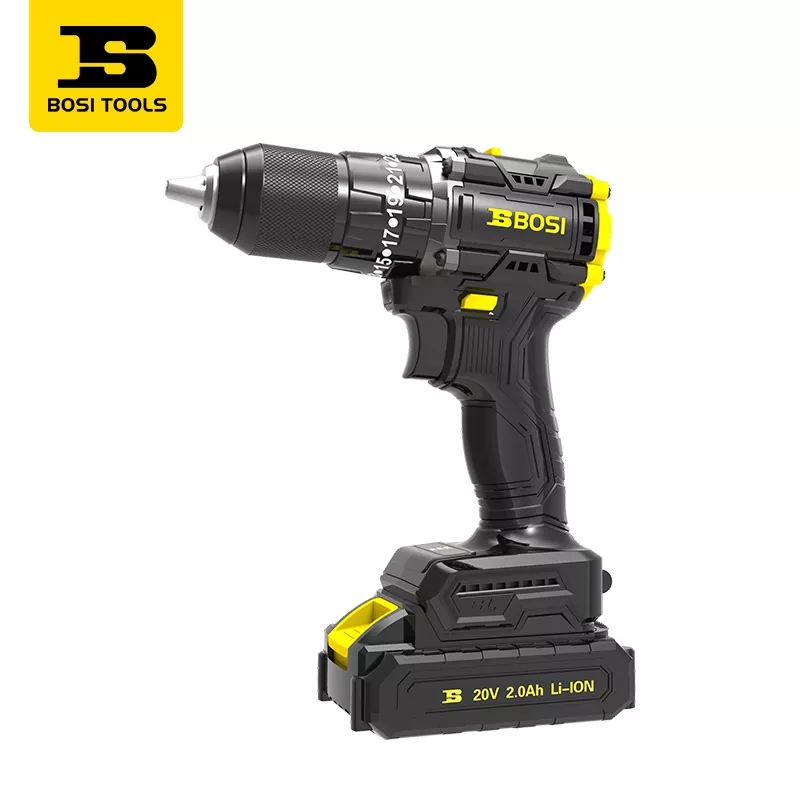
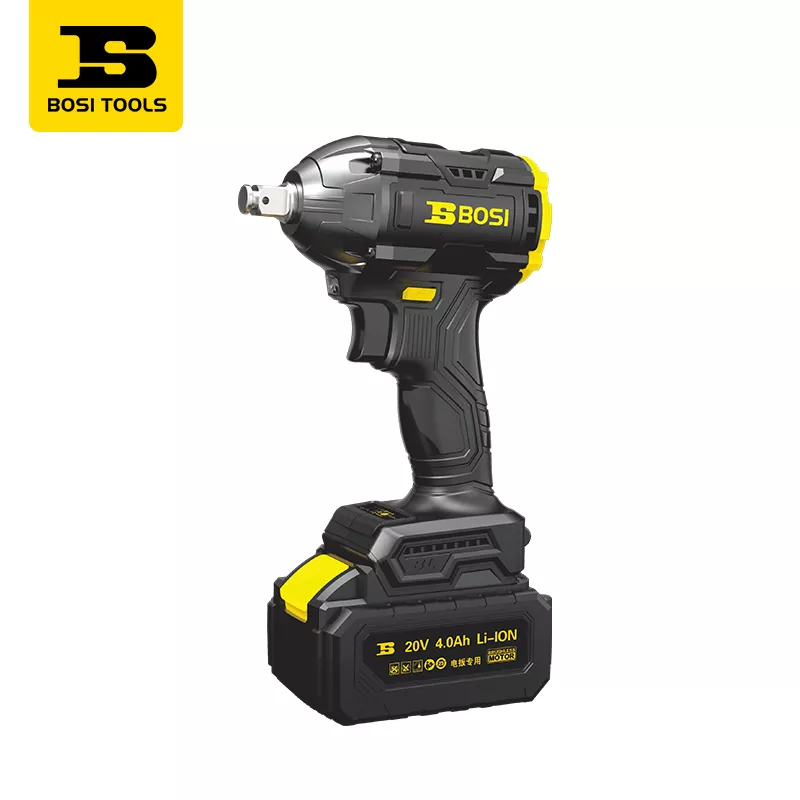
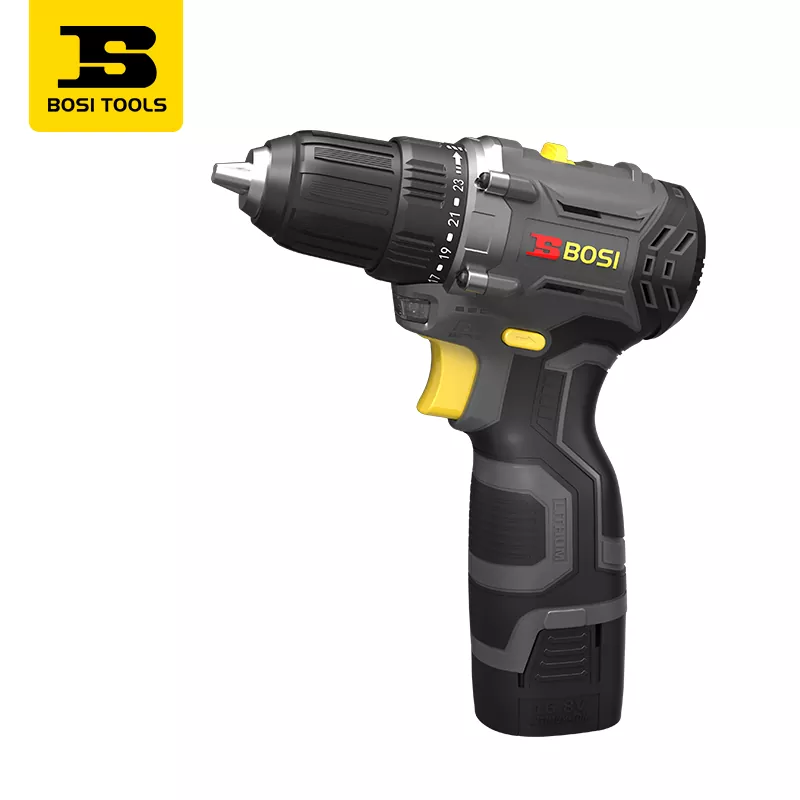
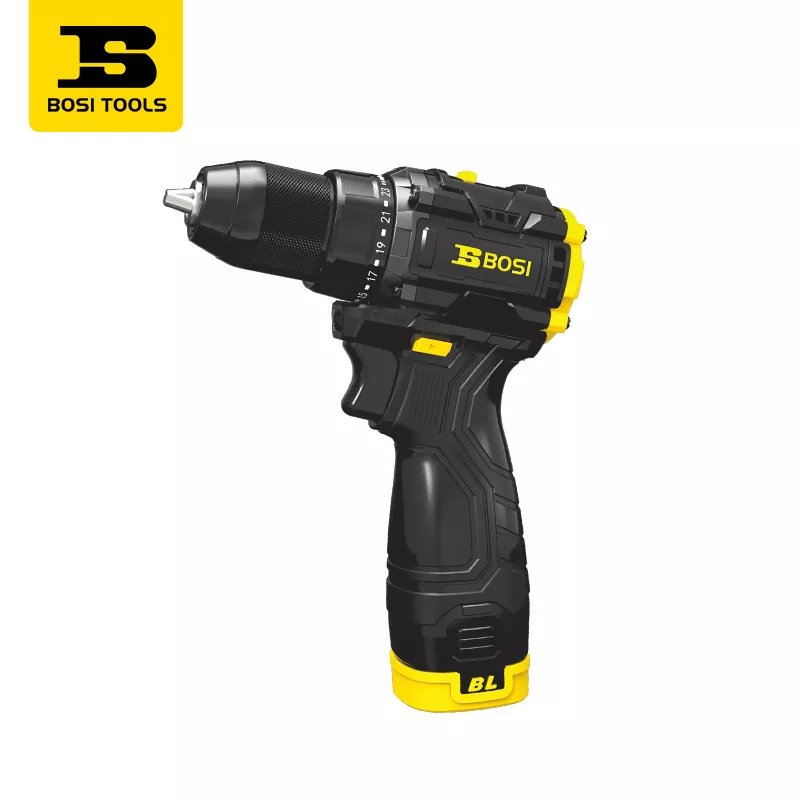
The BOSI Li-ion Brushless Drill lists a maximum clamping diameter of 10 mm and ordinary drilling action. The Li-ion Brushless Impact Drill lists a 13 mm chuck and ordinary plus impact drilling. These are specific configuration differences; neither chuck figure is a material-by-material drilling-capacity chart.
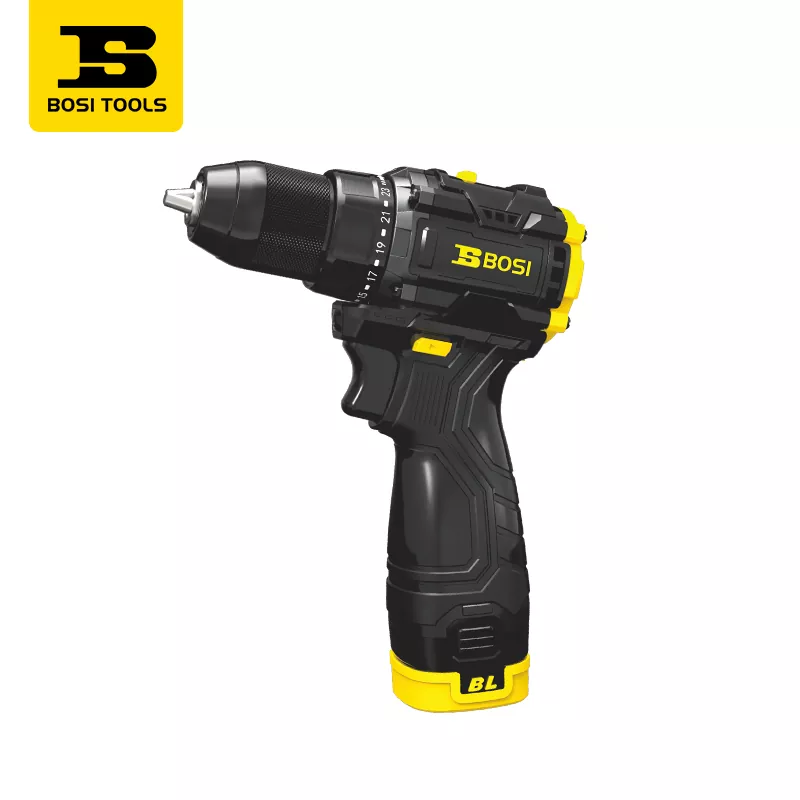
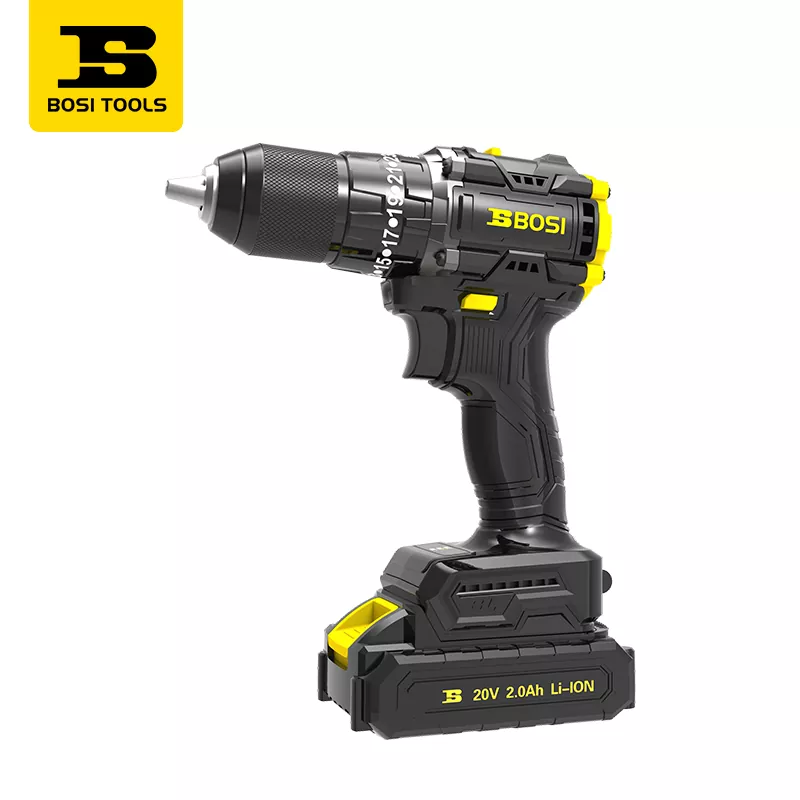
I recommend keeping cutting diameter, shank diameter, overall length, and working length separate on an accessory list. “A long 10 mm bit” leaves too much room for misunderstanding. Record the dimensions that control the hole, the fit, and the reach, then include the operating mode.
For an SDS setup, the BOSI Three-Function Drill Hammer provides another example. Its page describes an SDS-family round-shank system and a separately sold three-jaw chuck arrangement for ordinary drilling. Specify the exact matching interface and approved adapter configuration when ordering. A chisel belongs to its permitted hammer-only application, not to rotary drilling.
A configuration review: why a supplied bit does not cover every job
The BOSI 79-piece multifunctional drill set is a useful purchasing example. Its published list includes a 12 V dual-speed drill, two batteries, one charger, four twist drill bits, and a 6 mm ceramic hole saw, together with other tools. The case contains different accessory types, not 79 drill bits.

For concrete-wall work, I would flag the operating mode first. BOSI's FAQ states that this set has no impact function and directs concrete drilling to an appropriate impact drill and dedicated bit. A different accessory cannot add a hammer mechanism to the machine.
The listed ceramic accessory also needs its own material and operating check. Its 6 mm diameter does not establish suitability for every tile or layered wall. The purchasing outcome is specific: assess the supplied bits against the intended ordinary drilling tasks, and specify a separate suitable combination for concrete work.
For the wider machine selection, see our cordless drill buying guide.
How to choose drill bit size and working length
Start with the hole specification rather than the nearest bit in the case. Standard drill bit sizes can be labeled in metric dimensions, fractional inches, and other systems. Keep the units with every number on a drawing, accessory list, or quotation.
Cutting diameter is different from shank diameter
A nominal 5 mm drill describes the cutting size, but the holder must be checked against its actual shank. A reduced shank can be smaller than the cutting diameter. Even with a correctly sized bit, runout, wear, and process conditions can affect the resulting hole, so inspect the result where fit matters.
For chuck labels, 3/8 inch converts to 9.525 mm and 1/2 inch converts to 12.7 mm. Product ranges commonly use 10 mm and 13 mm designations. Use the actual tool's declared clamping range; the market label does not override it.
| Hole purpose | What determines the diameter | Common mistake |
|---|---|---|
| Screw pilot hole | Fastener design, material, and installation instructions. | Using one fixed fraction of every screw's outside diameter. |
| Clearance hole | Assembly drawing and required clearance. | Confusing the nominal fastener size with the required hole. |
| Tap-drill hole | Thread specification, tap type, material, and approved tapping data. | Using bolt-clearance dimensions before tapping. |
| Anchor hole | Specified anchor system, substrate, method, diameter, and depth. | Choosing a smaller bit experimentally or changing the method without approval. |
Total length does not equal working depth
Check the accessory's stated working length and required seating in the holder. Allow for chip clearance, the actual cutting head, and any depth requirement in the installation procedure. A long drill bit that reaches the surface may still be unsuitable for the required depth or guidance.
For a blind hole, distinguish full-diameter depth from the additional space occupied by a pointed drill tip. Do not assume a nominal depth measured to the tip gives the same cylindrical depth for two different point geometries.
Speed, feed, and lubrication belong to the actual cut
Use the bit manufacturer's starting conditions for the material, diameter, and equipment. A no-load drill speed is not a universal cutting recommendation. The peripheral cutting speed changes with diameter even at the same RPM, so a single setting cannot describe every bit in a set.
Check the recommended mechanical gear, feed method, and any cutting fluid before the trial. If progress falls, investigate the setup rather than automatically increasing speed or pressure. Compare acceptable holes and necessary pauses when selecting a configuration for repeated work.
Troubleshooting and caring for drill bits
A poor result does not always mean the bit material is wrong. Check the complete setup before paying for a more expensive coating or replacing the drill.
| Symptom | Possible factors | First check |
|---|---|---|
| Tip wanders at the start | Starting geometry, curved surface, alignment, or inadequate support. | Confirm the positioning method and bit condition for the task. |
| Shank slips in the chuck | Incorrect seating, unsuitable shank size, damaged surfaces, or poor clamping. | Isolate power, then inspect and refit according to the tool instructions. |
| Wood splinters or tile chips | Wrong cutting system, unsupported exit, unsuitable mode, or process conditions. | Review the bit rating, backing/support, and the layer being cut. |
| Bit rubs but makes little progress | Wear, wrong mode or direction, unsuitable bit, or work outside its rating. | Stop and verify identity, sharpness, direction, and the material. |
| Progress slows as depth increases | Chip buildup, inadequate working length, or the application limits. | Check depth and the specified debris-removal procedure. |
| Unusual heat, vibration, or a chipped tip | Unsuitable conditions, damage, misalignment, or an unstable setup. | Stop, inspect, and remove damaged accessories from service. |
A practical inspection order
My recommended order is material and mode, bit identity and condition, shank and holder, then depth and process. It separates an incorrect configuration from a task that needs different equipment. A repeated stall is a reason to investigate, not a useful acceptance test.
CCOHS drill guidance calls for accessories matched to the work and machine, power isolation before adjustment, and staying within rated capacities. It also warns against freeing a jam by repeatedly starting and stopping the drill.
Inspect the hole, not just the accessory
Check position, diameter, depth, exit condition, and fit as required by the job. For a repeat order, keep the tool and bit identification with the sample inspection record. A successful result should be tied to a configuration that can be supplied again.
Clean, store, resharpen, or replace?
After the tool stops and is isolated, follow the cleaning instructions and protect the cutting edges during storage. Keep identified bits in labeled locations so a replacement can be selected without guessing from color or shape.
Some HSS drills can be resharpened with suitable equipment and skill. Regrinding can change lip balance, point geometry, diameter, and the surface coating at the cutting edge. A process suitable for an ordinary twist drill is not automatically suitable for a brad-point, brazed-carbide, or diamond accessory. Replace damaged or unidentifiable bits instead of improvising a repair.
Frequently asked questions
Can I use a metal drill bit on wood?
A twist bit rated for both materials can drill wood. A brad-point or Forstner bit may better suit a particular woodworking finish or hole shape. Check the accessory's material rating and choose by the finished-hole requirement.
Are gold drill bits always better?
No. Color alone does not verify the coating, base material, manufacturing quality, or suitability for the job. Use the stated construction, material rating, dimensions, and application instructions to compare bits.
Are drill bits universal?
No. Compatibility depends on the shank and holder, tool capacity, operating mode, and work material. A bit can fit a chuck yet be unsuitable for the cut. Multi-material bits still have specific application limits.
Does a hex shank mean a drill bit is impact-rated?
No. A hex shank describes the connection shape. Use a bit in an impact driver only when the accessory is rated for that application and the holder matches. Axial hammer drilling and rotational impact driving also require different checks.
Can I use one drill bit through tile and the wall behind it?
Only if the accessory and operating method are approved for every layer involved. Tile and its substrate can require different bits or modes. Identify both materials and follow the accessory and fixing instructions before drilling.
What is the difference between a drill bit and a screwdriver bit?
A drill bit removes material to make a hole. A screwdriver bit engages a fastener head to turn the screw. A mixed tool set may contain both, but their number and appearance do not establish the drill's capacity or material range.
Specify the combination you need to order
For a BOSI tool-and-accessory enquiry, provide the material, hole purpose, cutting diameter, depth, expected workload, and existing tool interface. Include any fixing or finish requirements. These details support a configuration discussion that a voltage or piece-count label cannot provide.
Use the official BOSI contact page or email bosi01@bosi.cn with the job description and model details.
Related News
- Hammer Drill vs. Rotary Hammer: Which Do You Need for Concrete?
- Cordless Drill Buying Guide: How to Choose the Right Drill and Kit
- How to Choose Cordless Power Tools: Specs, Batteries, and Tool Systems
- Hand Tools vs Power Tools: Differences, Examples, and When to Use Each
- How Li-ion Cordless Blower Vacuum Reflects the Shift to Battery-Powered Garden Tools
- What Are Steel Stranded Cable Cutters and How Do They Work?

-
E-mail