
- English
- Español
- Português
- русский
- Français
- 日本語
- Deutsch
- tiếng Việt
- Italiano
- Nederlands
- ภาษาไทย
- Polski
- 한국어
- Svenska
- magyar
- Malay
- বাংলা ভাষার
- Dansk
- Suomi
- हिन्दी
- Pilipino
- Türkçe
- Gaeilge
- العربية
- Indonesia
- Norsk
- تمل
- český
- ελληνικά
- український
- Javanese
- فارسی
- தமிழ்
- తెలుగు
- नेपाली
- Burmese
- български
- ລາວ
- Latine
- Қазақша
- Euskal
- Azərbaycan
- Slovenský jazyk
- Македонски
- Lietuvos
- Eesti Keel
- Română
- Slovenski
- मराठी
- Srpski језик
INDUSTRY NEWS
 24 2026-08
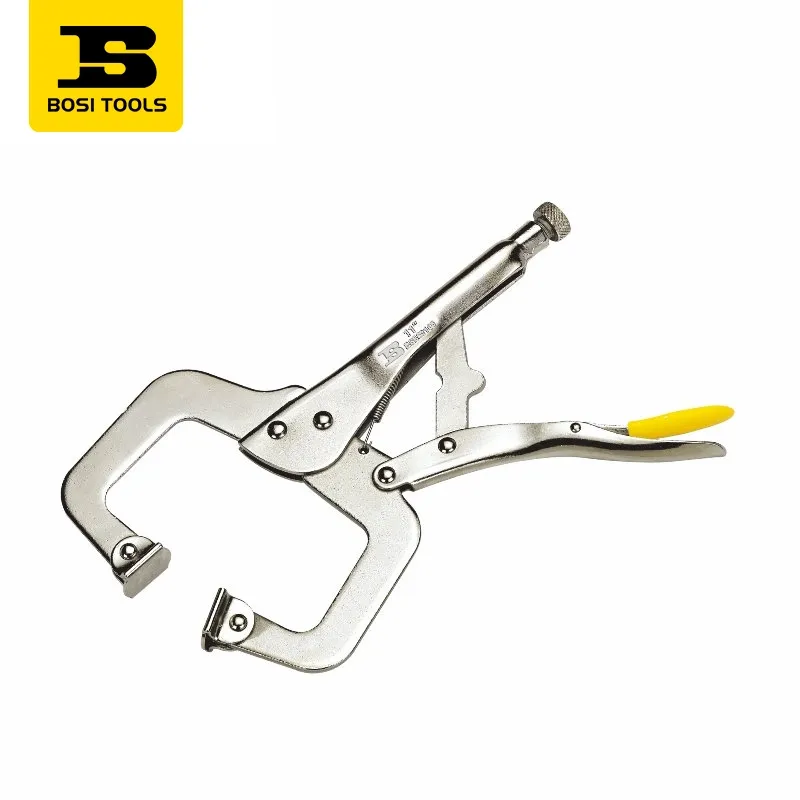
 How Do D-Type Bolt Cutters Deliver Clean, Reliable Cuts?
D-type bolt cutters are designed for applications where strong leverage, controlled cutting, and dependable handling are important. Their distinctive D-shaped handle configuration provides a practical grip arrangement while allowing the user to apply substantial force through the cutting jaws. They are commonly considered for cutting bolts, rods, chains, wires, and other suitable metal materials within the tool's rated capacity.
 20 2026-08
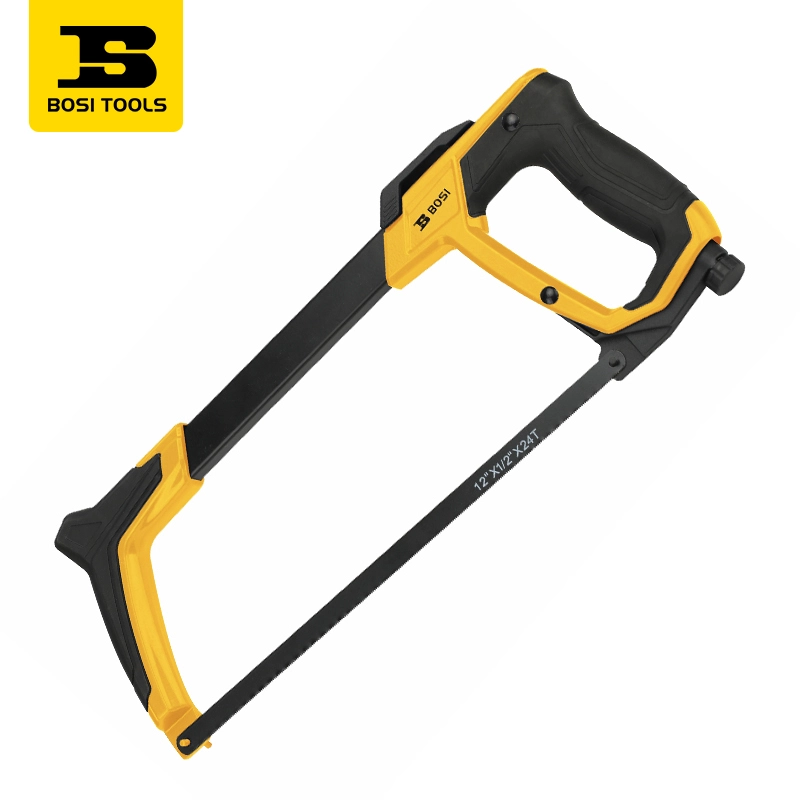
 How Does a High-end Hacksaw Frame Improve Cutting Performance and Professional Results?
A high-end hacksaw frame is more than a simple hand tool accessory. It is an essential cutting solution designed to provide better blade stability, higher accuracy, improved durability, and greater working comfort for professionals and demanding users. This article explores how advanced hacksaw frames solve common cutting challenges, why material quality and structural design matter, and how choosing the right frame can improve efficiency in construction, manufacturing, maintenance, and industrial applications.
 10 2026-08
 What Makes Carbon Steel Forging Wire Clamp Reliable for Modern Industrial Applications?
Carbon Steel Forging Wire Clamp is an essential fastening component widely used in electrical construction, power transmission, mechanical engineering, and industrial installation projects. However, many buyers face challenges such as insufficient strength, corrosion problems, unstable clamping performance, and short service life when selecting wire clamps. This article explains how forged carbon steel wire clamps solve these challenges, why material quality matters, how they improve safety and efficiency, and what factors customers should consider before purchasing.
 04 2026-08
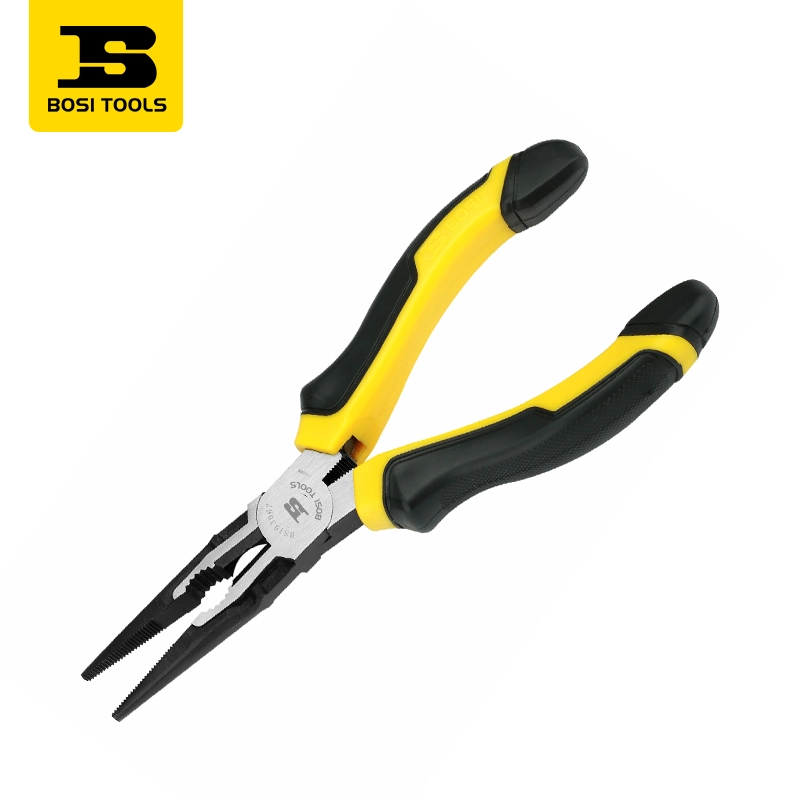
 Why Are European Style Pointed Nose Pliers Essential for Precision Hand Tool Applications?
European Style Pointed Nose Pliers are widely recognized for their precision, durability, and ergonomic design in professional repair, electrical, jewelry, automotive, and industrial applications. Choosing the right pointed nose pliers can directly influence working efficiency, safety, and final product quality.
 28 2026-07
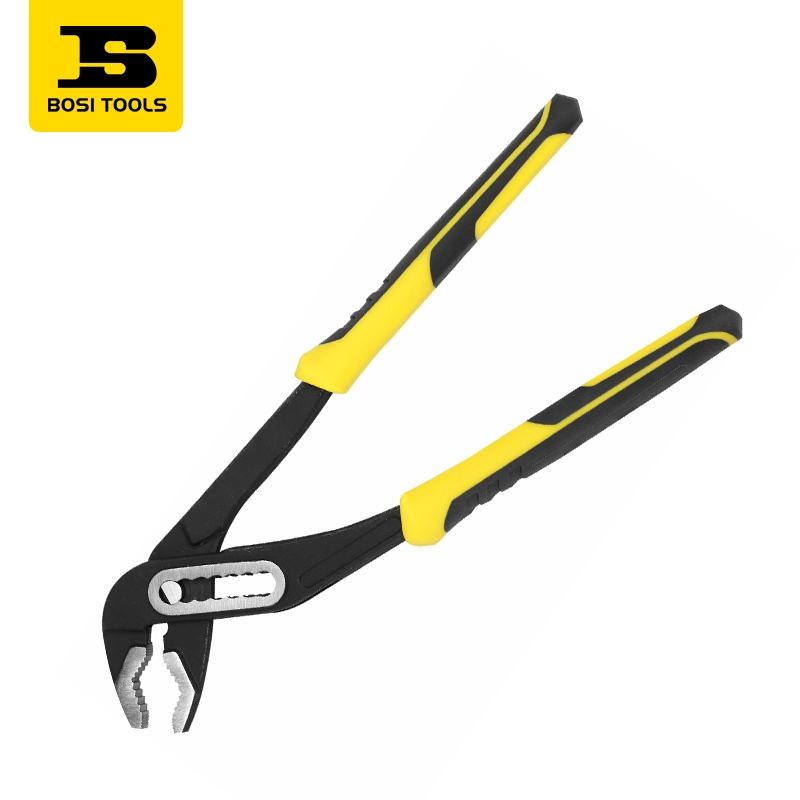
 How Does a Quick Adjustment Water Pump Clamp Improve Installation Efficiency and Reliability?
A reliable connection system is essential for maintaining the performance of water pumps in automotive, industrial, agricultural, and plumbing applications. A Quick Adjustment Water Pump Clamp provides a practical solution for professionals who need fast installation, secure fastening, and long-term durability. This article explains how quick adjustment water pump clamps work, why they are important, their main applications, key benefits, selection considerations, and how they solve common challenges faced by users during installation and maintenance.
 22 2026-07
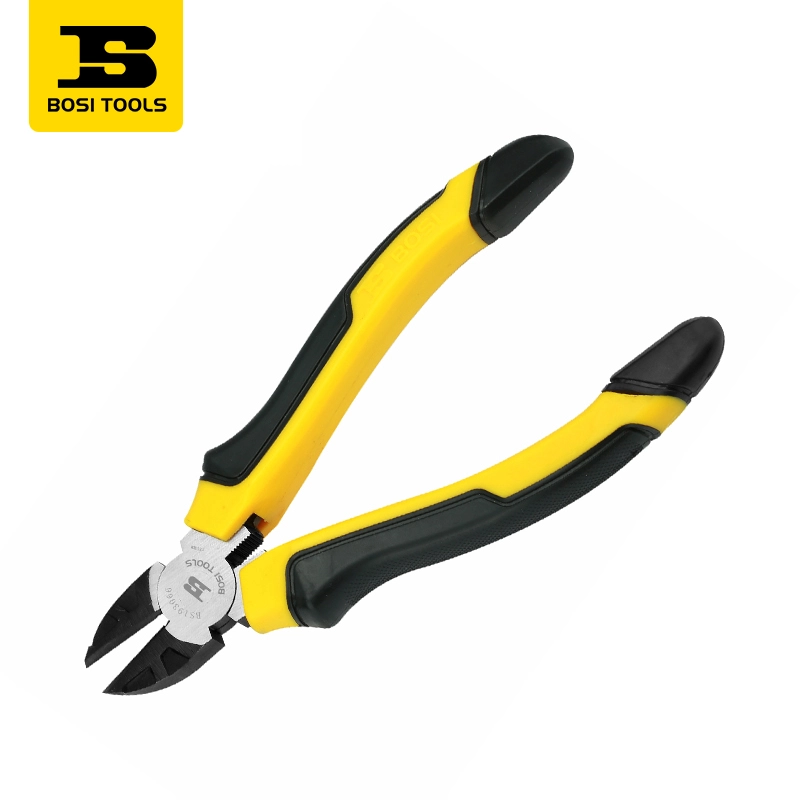
 Why Are European-style Diagonal Pliers Essential for Professional Cutting Tasks?
European-style diagonal pliers are widely recognized for their precision, durability, and ergonomic advantages in professional and industrial applications. From electrical installation and mechanical repair to manufacturing and maintenance work, choosing the right diagonal pliers directly affects work efficiency, safety, and cutting performance.
-
E-mail