
- English
- Español
- Português
- русский
- Français
- 日本語
- Deutsch
- tiếng Việt
- Italiano
- Nederlands
- ภาษาไทย
- Polski
- 한국어
- Svenska
- magyar
- Malay
- বাংলা ভাষার
- Dansk
- Suomi
- हिन्दी
- Pilipino
- Türkçe
- Gaeilge
- العربية
- Indonesia
- Norsk
- تمل
- český
- ελληνικά
- український
- Javanese
- فارسی
- தமிழ்
- తెలుగు
- नेपाली
- Burmese
- български
- ລາວ
- Latine
- Қазақша
- Euskal
- Azərbaycan
- Slovenský jazyk
- Македонски
- Lietuvos
- Eesti Keel
- Română
- Slovenski
- मराठी
- Srpski језик
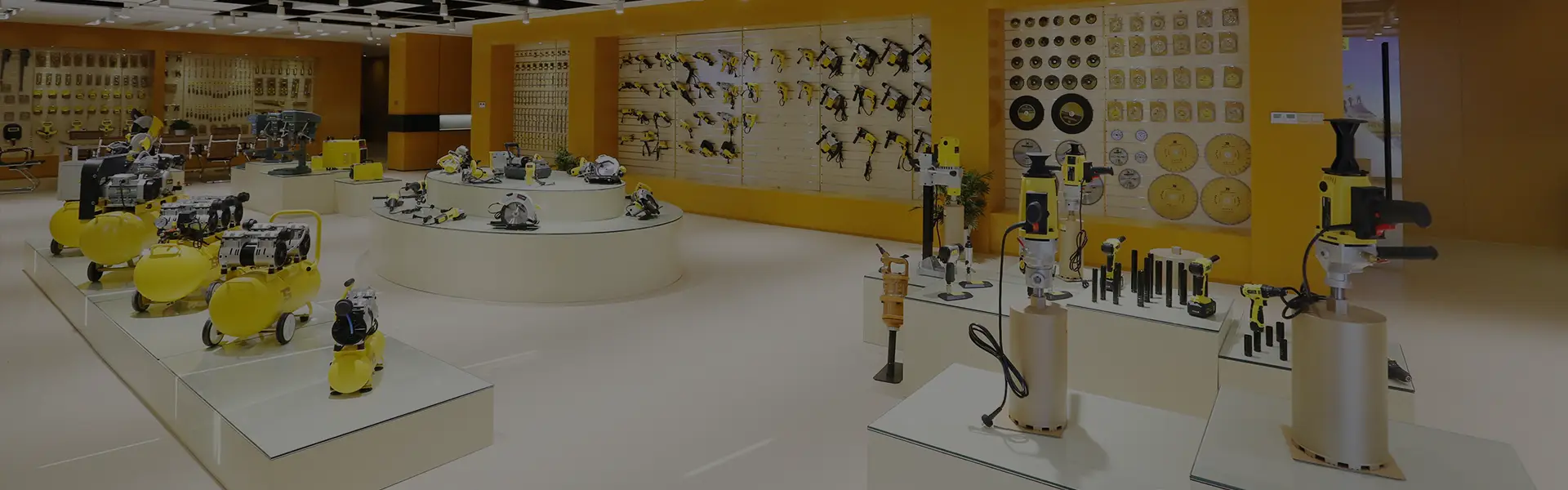
Why Manual Hammering Tools Still Matter in Modern Workshops?
2026-06-30
Manual hammering tools have been the backbone of craftsmanship, construction, metalworking, and repair industries for centuries. Even with the rise of automated machinery and electric impact systems, these traditional tools continue to play an essential role in precision work, field repairs, artisanal production, and cost-effective operations. This article explores the full scope of manual hammering tools, including their types, materials, applications, advantages, limitations, selection criteria, and maintenance practices. It is designed to help professionals, workshop owners, and DIY enthusiasts understand how to maximize performance, improve safety, and choose the right tools for different tasks.
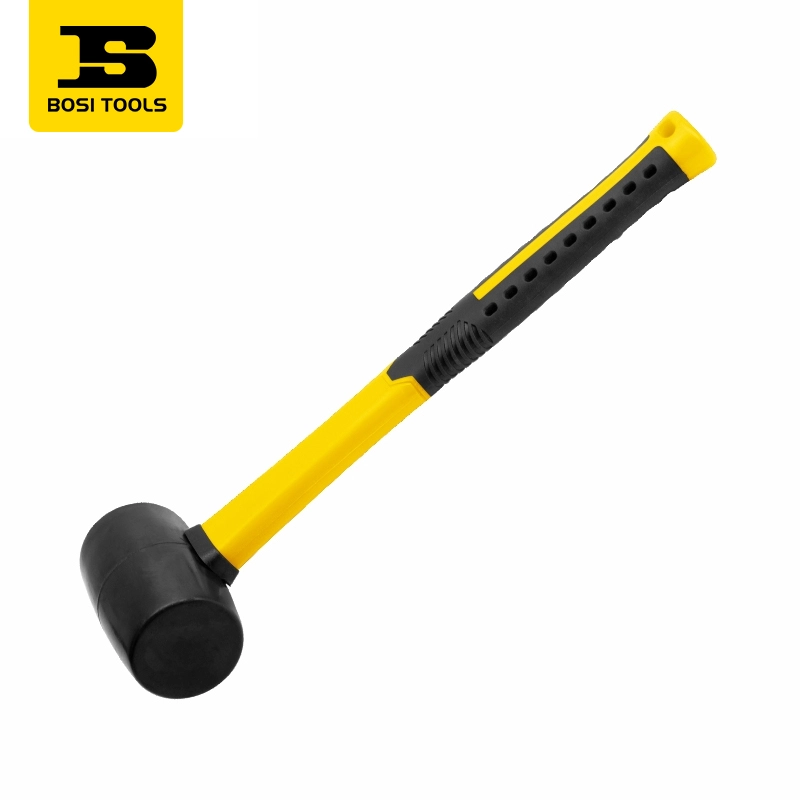
Table of Contents
- 1. Understanding Manual Hammering Tools
- 2. Core Types of Manual Hammering Tools
- 3. Materials and Construction Quality
- 4. Industrial and Everyday Applications
- 5. Key Benefits in Modern Work Environments
- 6. Common Challenges and User Pain Points
- 7. How to Choose the Right Hammering Tool
- 8. Maintenance, Care, and Safety Practices
- 9. Comparison Table of Hammer Types
- 10. Frequently Asked Questions
- 11. Conclusion and Professional Recommendation
1. Understanding Manual Hammering Tools
Manual hammering tools refer to hand-operated striking instruments designed to deliver force through controlled impact. Unlike powered impact systems, these tools rely entirely on human energy, allowing users to achieve precision, adaptability, and tactile feedback during work. They are widely used in metal shaping, woodworking, construction, automotive repair, and artistic crafting.
The simplicity of manual hammering tools is what makes them timeless. A basic hammer consists of a head and a handle, but within this simplicity lies a wide range of engineering considerations such as weight distribution, head hardness, vibration absorption, and grip ergonomics. These factors directly influence performance, user fatigue, and safety outcomes.
In modern workshops, manual hammering tools are often used alongside automated systems rather than being replaced by them. Their role has shifted from brute-force applications to precision tasks that require control and adaptability.
2. Core Types of Manual Hammering Tools
There are many types of manual hammering tools, each designed for specific tasks. Understanding their differences helps users avoid damage to materials and improves efficiency.
- Claw Hammer: Common in carpentry for driving and removing nails.
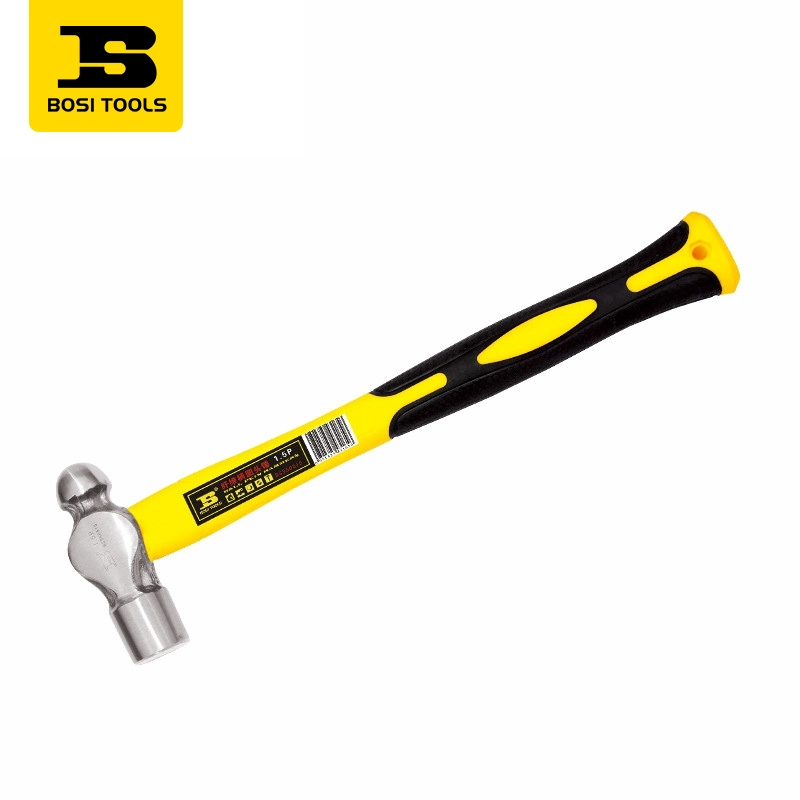
- Ball Peen Hammer: Used in metalworking and shaping metal surfaces.
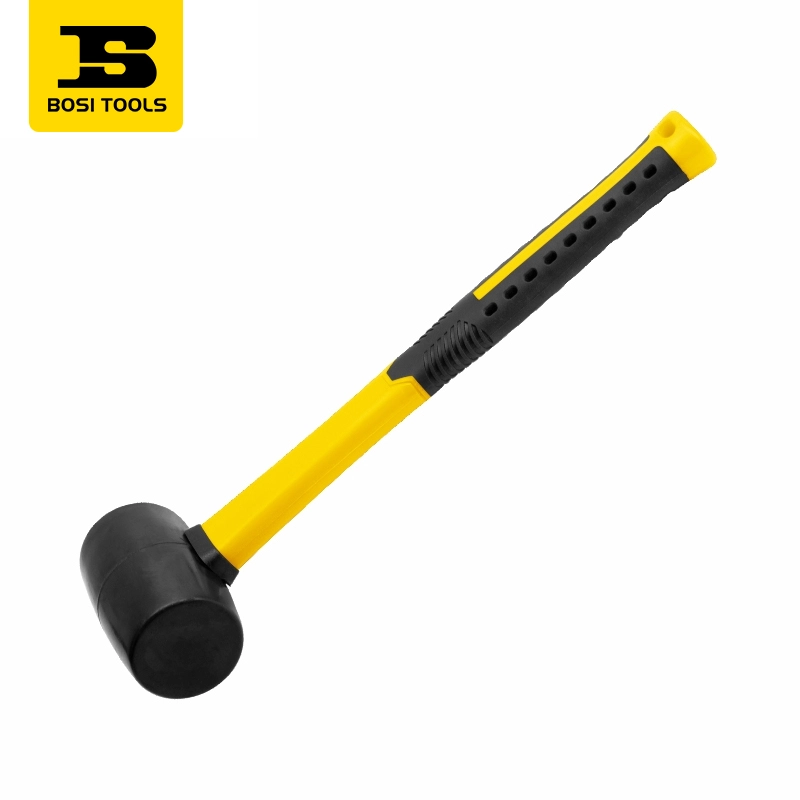
- Rubber Mallet: Ideal for non-marking impact on soft surfaces.
- Dead Blow Hammer: Reduces rebound and increases control during striking.
- Sledgehammer: Heavy-duty tool for demolition and construction work.
- Cross Peen Hammer: Used for forging and metal alignment tasks.
Each type serves a unique purpose, and selecting the wrong one often leads to inefficiency or material damage. For example, using a steel hammer on soft wood can cause dents and structural weaknesses, while a rubber mallet would provide controlled force without surface damage.
3. Materials and Construction Quality
The durability and performance of manual hammering tools largely depend on their materials and manufacturing quality. High-quality tools typically use forged carbon steel or alloy steel for the hammer head, ensuring strength and resistance to deformation.
Handles are commonly made from:
- Hickory wood – excellent shock absorption and traditional feel
- Fiberglass – lightweight and resistant to weather conditions
- Steel with rubber coating – maximum durability and grip stability
Modern manufacturing techniques also focus on balancing the tool to reduce vibration transfer to the user's hand, minimizing fatigue during prolonged use. Heat treatment processes further enhance hardness and wear resistance of the hammer head.
4. Industrial and Everyday Applications
Manual hammering tools are used across a wide variety of industries and daily tasks. Their versatility makes them indispensable in both professional and household environments.
Construction Industry: Used for framing, demolition, and structural adjustments.
Metalworking: Essential for forging, shaping, and aligning metal components.
Automotive Repair: Helps in panel beating, part alignment, and component removal.
Woodworking: Used for joinery, furniture assembly, and finishing work.
Home DIY: Useful for hanging fixtures, assembling furniture, and minor repairs.
The adaptability of these tools makes them a core component of any toolkit, regardless of skill level or industry specialization.
5. Key Benefits in Modern Work Environments
Despite technological advancement, manual hammering tools continue to offer significant advantages that machines cannot fully replicate.
- Precision Control: Allows users to apply exactly the right amount of force.
- Cost Efficiency: No electricity or fuel required.
- Portability: Easy to carry and use in remote locations.
- Reliability: Minimal maintenance and long lifespan.
- Versatility: Suitable for a wide range of materials and tasks.
These benefits explain why even highly automated industries still retain manual hammering tools as part of their essential equipment inventory.
6. Common Challenges and User Pain Points
While manual hammering tools are highly useful, they also present certain challenges that users must manage effectively.
- Hand fatigue during prolonged use
- Risk of injury due to improper handling
- Inconsistent striking force among inexperienced users
- Tool wear and head deformation over time
- Noise and vibration exposure in industrial environments
These issues can be mitigated through proper training, ergonomic tool selection, and adherence to safety practices. Investing in high-quality tools significantly reduces long-term operational problems.
7. How to Choose the Right Hammering Tool
Selecting the correct manual hammering tool requires understanding the task requirements, material type, and user comfort factors.
Key selection criteria include:
- Weight of the hammer head
- Handle material and grip comfort
- Intended application (metal, wood, construction, etc.)
- Shock absorption capability
- Durability and brand reliability
For heavy demolition tasks, a sledgehammer is ideal. For precision metal shaping, a ball peen hammer is more suitable. For general household use, a claw hammer provides the best balance between versatility and ease of use.
8. Maintenance, Care, and Safety Practices
Proper maintenance extends the lifespan of manual hammering tools and ensures safe operation. Even though these tools are simple, neglecting care can lead to accidents and reduced efficiency.
- Regularly inspect hammer heads for cracks or loosening
- Keep handles clean and dry to prevent slipping
- Store tools in a dry environment to avoid corrosion
- Replace damaged handles immediately
- Use appropriate safety gear such as gloves and goggles
Safety should always be a priority. A well-maintained hammer not only performs better but also significantly reduces workplace risks.
9. Comparison Table of Hammer Types
| Hammer Type | Main Use | Material Suitability | Skill Level Required | Key Advantage |
|---|---|---|---|---|
| Claw Hammer | Carpentry, nail driving/removal | Wood | Beginner | Versatility |
| Ball Peen Hammer | Metal shaping | Metal | Intermediate | Precision forming |
| Rubber Mallet | Non-marking assembly | Soft materials | Beginner | Surface protection |
| Sledgehammer | Demolition | Concrete, heavy structures | Advanced | High impact force |
10. Frequently Asked Questions
Q1: What are manual hammering tools used for?
They are used for striking, shaping, assembling, and dismantling materials across construction, woodworking, and metalworking industries.
Q2: Are manual hammering tools still relevant today?
Yes, they remain essential due to their precision, portability, and cost-effectiveness.
Q3: How do I prevent hand fatigue?
Use ergonomically designed tools, take breaks, and select appropriate hammer weight for the task.
Q4: What is the most durable hammer material?
Forged steel heads with fiberglass or steel-reinforced handles are among the most durable combinations.
Q5: Can one hammer be used for all tasks?
While possible for light work, using specialized hammers ensures better performance and safety.
11. Conclusion and Professional Recommendation
Manual hammering tools remain a cornerstone of professional craftsmanship and everyday repair work. Their simplicity, durability, and versatility make them indispensable even in highly automated environments. Choosing the right tool, maintaining it properly, and applying correct techniques can significantly improve efficiency and safety in any workspace.
For high-quality manufacturing standards and reliable tool performance, professional sourcing matters. Ningbo Shiji Bosi Tools Co., Ltd. provides a wide range of durable and precision-engineered manual hammering tools designed for industrial and commercial applications.
If you are looking for stable supply, customized solutions, or long-term cooperation opportunities, contact us today to explore how our tools can support your business needs and improve your operational efficiency.
Related News
- How Do D-Type Bolt Cutters Deliver Clean, Reliable Cuts?
- How Does a High-end Hacksaw Frame Improve Cutting Performance and Professional Results?
- What Makes Carbon Steel Forging Wire Clamp Reliable for Modern Industrial Applications?
- Why Are European Style Pointed Nose Pliers Essential for Precision Hand Tool Applications?
- How Does a Quick Adjustment Water Pump Clamp Improve Installation Efficiency and Reliability?
- Why Are European-style Diagonal Pliers Essential for Professional Cutting Tasks?

-
E-mail