
- English
- Español
- Português
- русский
- Français
- 日本語
- Deutsch
- tiếng Việt
- Italiano
- Nederlands
- ภาษาไทย
- Polski
- 한국어
- Svenska
- magyar
- Malay
- বাংলা ভাষার
- Dansk
- Suomi
- हिन्दी
- Pilipino
- Türkçe
- Gaeilge
- العربية
- Indonesia
- Norsk
- تمل
- český
- ελληνικά
- український
- Javanese
- فارسی
- தமிழ்
- తెలుగు
- नेपाली
- Burmese
- български
- ລາວ
- Latine
- Қазақша
- Euskal
- Azərbaycan
- Slovenský jazyk
- Македонски
- Lietuvos
- Eesti Keel
- Română
- Slovenski
- मराठी
- Srpski језик
What Are Manual Tools for Electronics and Why Do They Matter?
2026-06-25
Manual tools for electronics are the backbone of precision work in modern electronic assembly, repair, and prototyping. While automation and smart machinery dominate large-scale production, manual electronic tools remain essential for detailed tasks that require accuracy, tactile control, and adaptability. This article explores the full landscape of manual tools used in electronics, their applications, selection criteria, benefits, and best practices. It also addresses common challenges technicians and engineers face when working with electronic components and how the right tools significantly improve efficiency, safety, and product quality.
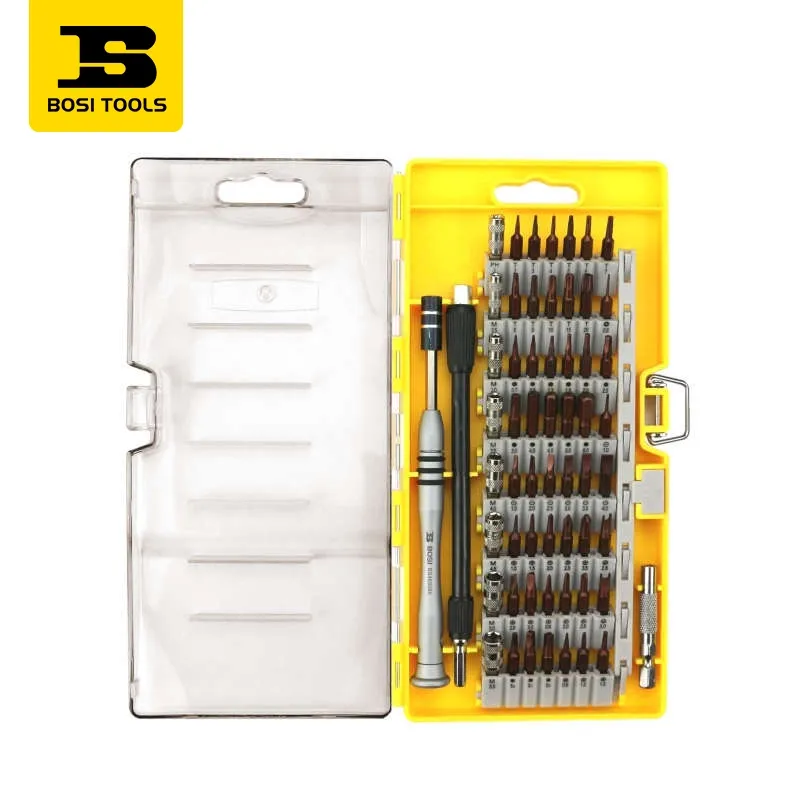
Table of Contents
- Article Outline
- 1. Understanding Manual Tools for Electronics
- 2. Why Manual Tools Still Matter in Electronics Work
- 3. Essential Types of Manual Electronic Tools
- 4. How to Choose the Right Tools for Electronics Tasks
- 5. Applications Across Industries
- 6. Manual vs Power Tools in Electronics
- 7. Maintenance and Safety Best Practices
- 8. Tool Comparison Table
- 9. Frequently Asked Questions
- 10. Conclusion and Professional Recommendations
Article Outline
This article systematically covers the fundamentals and advanced insights into manual tools used in electronics. It begins with definitions and importance, then explores categories such as cutting tools, soldering tools, precision screwdrivers, anti-static tools, and inspection instruments. It further explains how to select appropriate tools based on application needs and compares manual versus automated alternatives. Finally, it provides safety guidelines, maintenance strategies, and industry-specific applications to help professionals make informed decisions.
1. Understanding Manual Tools for Electronics
Manual tools for electronics refer to hand-operated instruments designed to assemble, repair, test, and maintain electronic devices and circuits without relying on powered automation. These tools are engineered for precision work involving delicate components such as PCBs (Printed Circuit Boards), microchips, sensors, and wiring systems.
Unlike general hardware tools, electronic manual tools are designed with anti-static properties, fine-tipped precision, and ergonomic handling to prevent damage to sensitive electronic parts. They are widely used in laboratories, repair shops, manufacturing lines, and educational environments.
Common characteristics include:
- High precision tips and controlled movement
- ESD (Electrostatic Discharge) protection
- Durable materials such as stainless steel or carbon steel
- Ergonomic grip for long working hours
2. Why Manual Tools Still Matter in Electronics Work
Despite rapid industrial automation, manual tools remain irreplaceable in electronics due to the nature of micro-scale operations. Many electronic tasks require human judgment, tactile feedback, and delicate control that machines cannot fully replicate.
Key reasons include:
- Precision handling: Small components require controlled manual placement.
- Flexibility: Manual tools adapt quickly to different repair or assembly tasks.
- Cost efficiency: Lower investment compared to automated systems.
- Field repair capability: Essential for on-site troubleshooting.
In industries such as aerospace electronics, medical devices, and consumer electronics repair, manual tools are not optional—they are critical.
3. Essential Types of Manual Electronic Tools
A complete electronics toolkit includes several categories of manual tools, each serving a specific purpose in assembly and repair workflows.
3.1 Precision Screwdrivers
Used for tightening or loosening small screws in devices such as smartphones, laptops, and circuit boards. Magnetic tips help prevent component loss.
3.2 Soldering Tools
Includes soldering irons, desoldering pumps, and solder wires. These tools are essential for joining electronic components securely.
3.3 Cutting and Stripping Tools
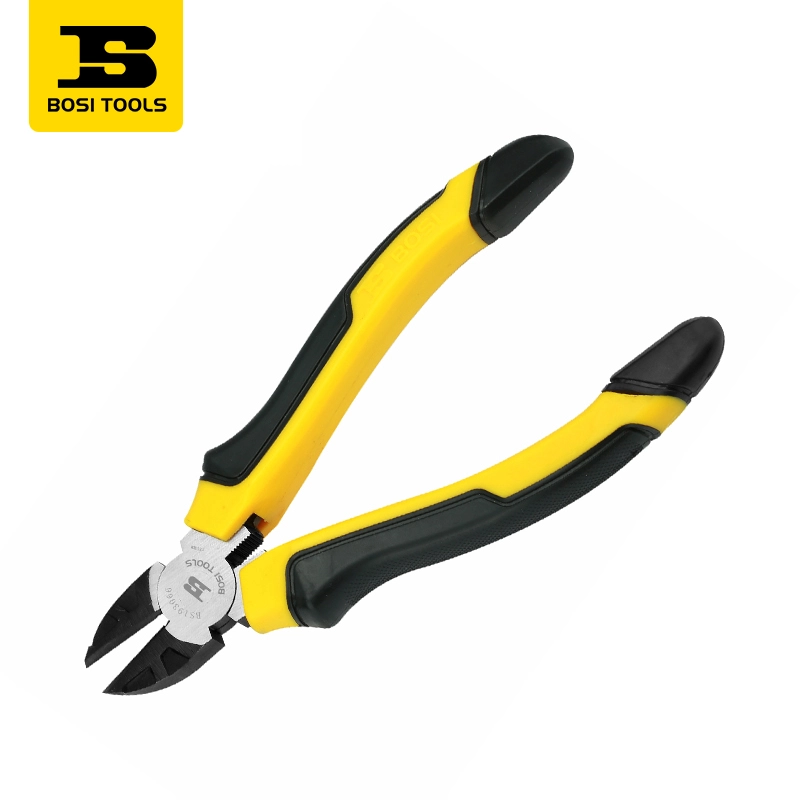
Wire cutters, cable strippers, and flush cutters are used for preparing wires and trimming excess materials.
3.4 Tweezers and Pick Tools
Anti-static tweezers are critical for handling micro components like resistors, capacitors, and IC chips.
3.5 Inspection Tools
Magnifying glasses, microscopes, and LED inspection lamps help detect micro-level defects and soldering issues.
3.6 Anti-Static Tools
ESD-safe wrist straps, mats, and grounding tools protect sensitive components from electrostatic damage.
3.7 Crimping Tools
Used for attaching connectors to wires securely without soldering.
4. How to Choose the Right Tools for Electronics Tasks
Selecting the right manual tools directly impacts efficiency, precision, and product quality. Poor-quality tools often lead to damaged components, increased rework, and safety risks.
Important selection factors include:
- Material quality: Stainless steel or hardened alloys for durability
- ESD protection: Essential for circuit board handling
- Ergonomics: Comfortable grip reduces fatigue
- Precision level: Fine tips for micro components
- Application suitability: Repair, assembly, or testing use case
Professionals often invest in modular toolkits that cover multiple electronic repair scenarios rather than purchasing individual tools separately.
5. Applications Across Industries
Manual tools for electronics are used across a wide range of industries where precision and reliability are essential.
- Consumer electronics: Smartphones, laptops, gaming consoles
- Automotive electronics: ECUs, sensors, infotainment systems
- Medical devices: Diagnostic machines and monitoring equipment
- Aerospace systems: Navigation and communication modules
- Industrial automation: Control boards and embedded systems
Each industry demands different levels of precision and tool durability, especially in high-risk environments such as medical or aerospace sectors.
6. Manual vs Power Tools in Electronics
Understanding when to use manual tools versus powered tools is crucial for efficiency and safety.
Key differences:
- Manual tools offer greater control for delicate operations
- Power tools increase speed in repetitive tasks
- Manual tools reduce risk of component overheating
- Power tools are better for mass production environments
In practice, professionals often combine both tool types for optimal workflow efficiency.
7. Maintenance and Safety Best Practices
Proper maintenance extends tool lifespan and ensures consistent performance. Electronics tools require special care due to sensitivity and precision requirements.
Maintenance guidelines:
- Clean tools after each use to remove solder residue and dust
- Store in anti-static cases or organized toolboxes
- Regularly inspect for wear and corrosion
- Calibrate precision tools when necessary
Safety practices:
- Always use ESD protection when handling circuit boards
- Ensure proper ventilation when soldering
- Avoid using damaged tools
- Keep workspace organized and dry
8. Tool Comparison Table
| Tool Type | Main Use | Precision Level | Common Industry |
|---|---|---|---|
| Precision Screwdriver | Fastening micro screws | High | Consumer Electronics |
| Soldering Iron | Electrical connections | Very High | All Electronics Fields |
| Anti-static Tweezers | Component handling | Very High | PCB Assembly |
| Wire Cutter | Trimming wires | Medium | Electrical Assembly |
| Crimping Tool | Connector assembly | Medium | Industrial Electronics |
9. Frequently Asked Questions
Q1: What are manual tools for electronics used for?
They are used for assembling, repairing, and maintaining electronic components and devices with precision and control.
Q2: Why are ESD-safe tools important?
They prevent electrostatic discharge that can damage sensitive electronic components.
Q3: Can beginners use electronic manual tools?
Yes, many tools are beginner-friendly, especially basic screwdriver and soldering kits.
Q4: How do I maintain electronic tools properly?
Regular cleaning, safe storage, and inspection for wear are essential maintenance practices.
Q5: Are manual tools better than power tools?
Neither is universally better; each serves different purposes depending on task complexity and production scale.
10. Conclusion and Professional Recommendations
Manual tools for electronics remain an essential part of modern engineering and repair ecosystems. Their precision, flexibility, and reliability make them indispensable in environments where accuracy is critical. Whether used in repair workshops, manufacturing facilities, or research labs, these tools ensure consistent quality and operational efficiency.
Investing in high-quality tools is not just a matter of convenience but a long-term strategy for improving productivity and reducing component failure rates. Professionals are encouraged to prioritize ergonomic design, ESD protection, and durability when selecting their toolkit.
As electronic systems become increasingly compact and complex, the demand for refined manual tools will continue to grow, reinforcing their role as fundamental instruments in the electronics industry.
Professional Supply & Contact
For reliable, high-precision manual tools designed for electronics applications, Ningbo Shiji Bosi Tools Co., Ltd. provides a wide range of professional-grade solutions tailored to industrial and repair needs.
If you are looking for durable, precise, and cost-effective electronic hand tools, feel free to contact us for product catalogs, customization options, and wholesale cooperation opportunities. We are ready to support your business with stable supply and professional service.
Related News
- How Do D-Type Bolt Cutters Deliver Clean, Reliable Cuts?
- How Does a High-end Hacksaw Frame Improve Cutting Performance and Professional Results?
- What Makes Carbon Steel Forging Wire Clamp Reliable for Modern Industrial Applications?
- Why Are European Style Pointed Nose Pliers Essential for Precision Hand Tool Applications?
- How Does a Quick Adjustment Water Pump Clamp Improve Installation Efficiency and Reliability?
- Why Are European-style Diagonal Pliers Essential for Professional Cutting Tasks?

-
E-mail