
- English
- Español
- Português
- русский
- Français
- 日本語
- Deutsch
- tiếng Việt
- Italiano
- Nederlands
- ภาษาไทย
- Polski
- 한국어
- Svenska
- magyar
- Malay
- বাংলা ভাষার
- Dansk
- Suomi
- हिन्दी
- Pilipino
- Türkçe
- Gaeilge
- العربية
- Indonesia
- Norsk
- تمل
- český
- ελληνικά
- український
- Javanese
- فارسی
- தமிழ்
- తెలుగు
- नेपाली
- Burmese
- български
- ລາວ
- Latine
- Қазақша
- Euskal
- Azərbaycan
- Slovenský jazyk
- Македонски
- Lietuvos
- Eesti Keel
- Română
- Slovenski
- मराठी
- Srpski језик
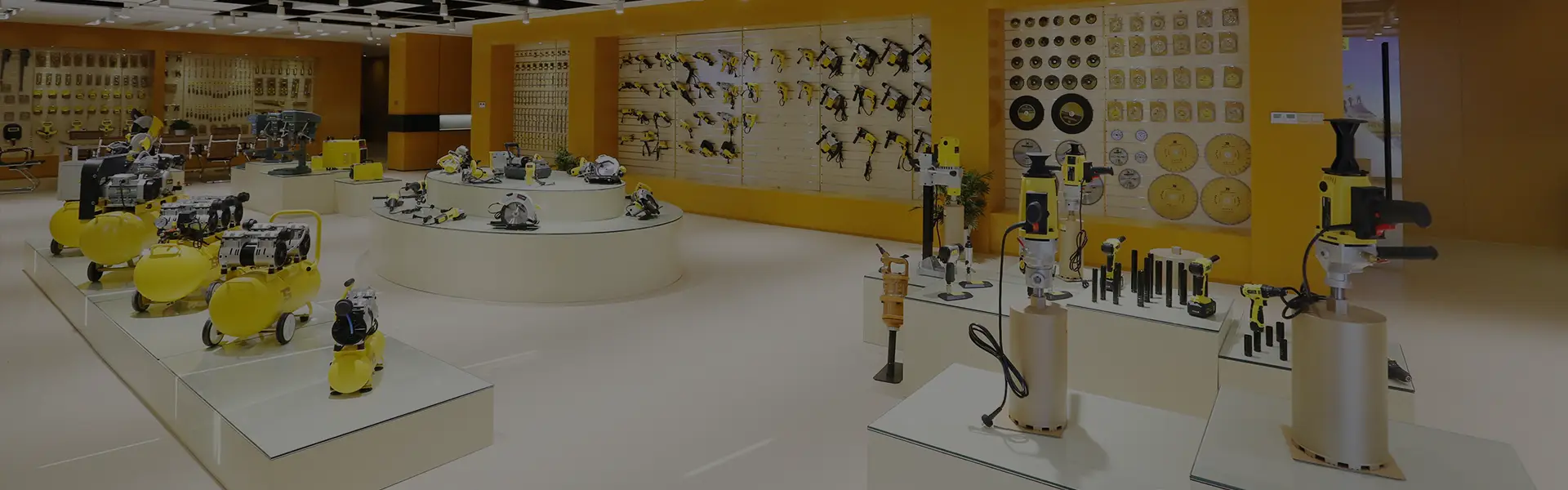
Why Are Manual Clamping Tools Essential for Precision and Safety in Workshops?
2026-06-15
Manual clamping tools are fundamental devices in workshops, manufacturing lines, woodworking studios, metal fabrication sites, and DIY environments. Despite the rise of automated systems, manual clamping tools remain irreplaceable due to their precision control, reliability, affordability, and versatility. This article provides a comprehensive exploration of manual clamping tools, including their types, working principles, applications, selection criteria, maintenance practices, and safety considerations. It also addresses common user challenges such as slippage, uneven pressure distribution, material damage, and tool fatigue. By the end of this guide, readers will gain a complete understanding of how to effectively choose and use manual clamping tools for improved productivity and accuracy in daily operations.
Table of Contents
- Introduction
- What Are Manual Clamping Tools?
- Key Types of Manual Clamping Tools
- Core Benefits and Advantages
- Applications Across Industries
- How to Choose the Right Clamping Tool
- Maintenance and Care Practices
- Common Problems and Solutions
- Comparison Table of Popular Clamp Types
- Safety Guidelines for Proper Use
- Future Trends in Clamping Technology
- Frequently Asked Questions
- Conclusion & Contact
Introduction
In every workshop, stability is the foundation of accuracy. Whether cutting, welding, assembling, or drilling, materials must remain firmly fixed to ensure precision and safety. This is where manual clamping tools become indispensable. Unlike automated systems, manual clamps give users direct control over pressure and positioning, making them ideal for both delicate tasks and heavy-duty applications.
From small-scale woodworking projects to industrial metal fabrication, these tools provide consistent holding force without requiring electricity or complex systems. Their simplicity is their strength, and their versatility makes them a cornerstone of modern craftsmanship.
What Are Manual Clamping Tools?
Manual clamping tools are mechanical devices designed to hold, secure, or stabilize objects using human-applied force. They operate through screw mechanisms, levers, springs, or sliding bars to apply controlled pressure onto materials.
Unlike powered clamps, manual versions rely entirely on physical adjustment, giving users precise control over force distribution. This makes them especially valuable when working with fragile or irregular materials that require careful handling.
- They are non-electric and portable
- Provide adjustable pressure control
- Suitable for temporary or permanent fixation
- Used in woodworking, metalwork, automotive repair, and construction
Key Types of Manual Clamping Tools
There are several types of manual clamping tools, each designed for specific applications and force requirements. Understanding their differences helps users select the right tool for optimal performance.
- F-Style Clamps: Common in woodworking, offering deep reach and strong holding power.
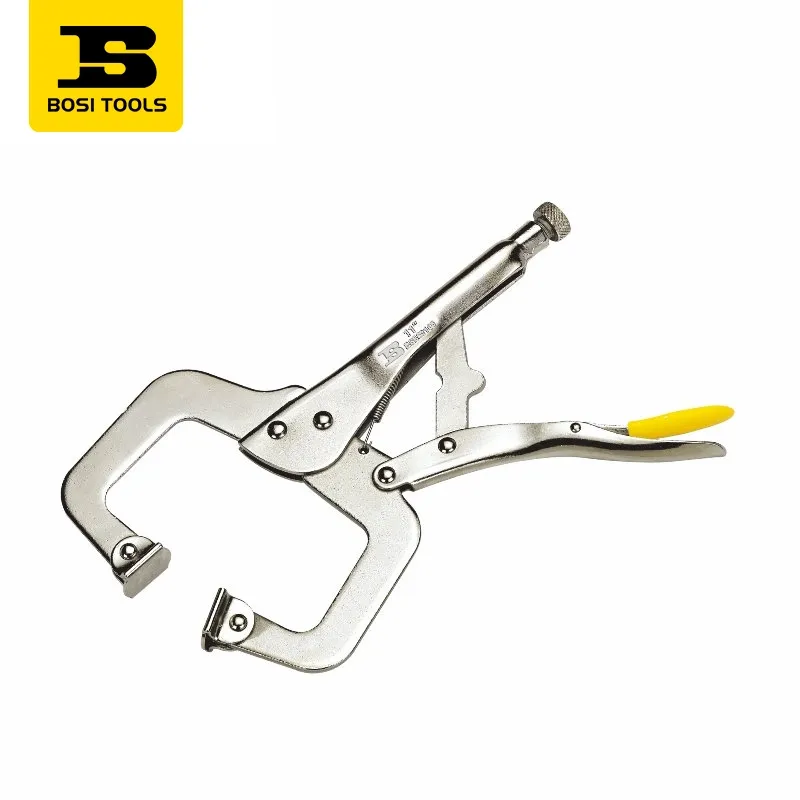
- C-Clamps: Heavy-duty metal clamps used in welding and fabrication.
- Bar Clamps: Long reach tools ideal for large assemblies.
- Spring Clamps: Lightweight and quick to use for temporary holding.
- Toggle Clamps: Provide fast locking and high repeatability.
Each type is designed with unique mechanical advantages, making them suitable for specific working conditions.
Core Benefits and Advantages
Manual clamping tools continue to be widely used due to their reliability and practical benefits. They offer consistent performance without relying on external power sources.
- Precision Control: Users can adjust force manually for delicate tasks.
- Cost Efficiency: Affordable compared to automated systems.
- Portability: Easy to carry and use in different environments.
- Durability: Built with strong materials such as steel or cast iron.
- Versatility: Suitable for a wide range of materials and tasks.
These benefits make manual clamping tools a preferred choice for both professionals and hobbyists.
Applications Across Industries
Manual clamping tools are widely used across multiple industries due to their adaptability and precision.
- Woodworking: Holding wooden boards during cutting and assembly
- Metalworking: Securing metal parts during welding or drilling
- Automotive Repair: Fixing components during maintenance
- Construction: Temporary structural alignment
- DIY Projects: Home improvement and crafting tasks
Their ability to handle different materials makes them essential tools in both industrial and personal workshops.
How to Choose the Right Clamping Tool
Selecting the right manual clamping tool depends on several factors, including material type, required force, and working environment.
| Factor | Description | Recommendation |
|---|---|---|
| Material Type | Wood, metal, plastic, or composite | Use padded clamps for soft materials |
| Clamping Force | Required pressure strength | Heavy-duty clamps for metalwork |
| Reach Depth | Distance from edge to clamp point | Bar clamps for large surfaces |
| Usage Frequency | Occasional or daily use | Durable steel models for frequent use |
Choosing the correct tool ensures efficiency, reduces material damage, and improves overall work quality.
Maintenance and Care Practices
Proper maintenance extends the lifespan of manual clamping tools and ensures consistent performance.
- Clean tools after each use to remove dust and debris
- Apply lubrication to moving parts regularly
- Inspect screws and threads for wear or damage
- Store in a dry environment to prevent rust
- Avoid over-tightening to reduce mechanical stress
Routine care not only improves durability but also ensures safe operation during every use.
Common Problems and Solutions
Even high-quality manual clamping tools may encounter operational issues. Understanding these problems helps in quick troubleshooting.
- Slipping: Caused by worn pads or insufficient tightening
- Rust Formation: Due to moisture exposure
- Thread Damage: Result of excessive force application
- Uneven Pressure: Misalignment during setup
Most issues can be resolved through proper maintenance and correct usage techniques.
Comparison Table of Popular Clamp Types
| Clamp Type | Strength | Speed | Best Use |
|---|---|---|---|
| F-Style Clamp | Medium | Medium | Woodworking assemblies |
| C-Clamp | High | Slow | Welding and metalwork |
| Bar Clamp | High | Medium | Large surface bonding |
| Spring Clamp | Low | Fast | Temporary holding tasks |
Safety Guidelines for Proper Use
Safety is critical when using manual clamping tools, especially in high-pressure environments.
- Always inspect tools before use
- Do not exceed recommended force limits
- Wear protective gloves when handling metal clamps
- Ensure stable positioning before tightening
- Keep fingers away from pressure points
Following these guidelines minimizes risks and ensures safe working conditions.
Future Trends in Clamping Technology
Although manual clamping tools are traditional devices, they continue to evolve. Manufacturers are introducing improved materials, ergonomic designs, and hybrid systems that combine manual and semi-automatic features.
Future developments focus on enhancing durability, reducing weight, and increasing precision. Anti-slip coatings, quick-release mechanisms, and modular designs are becoming more common in modern tool production.
Frequently Asked Questions
Q1: Are manual clamping tools suitable for industrial use?
Yes, they are widely used in industrial environments due to their reliability and strength.
Q2: How long do manual clamps last?
With proper maintenance, high-quality clamps can last for many years.
Q3: Can they damage materials?
If over-tightened, they may cause damage. Using protective pads helps prevent this.
Q4: What is the most versatile clamp type?
Bar clamps are often considered the most versatile due to their adjustable reach.
Conclusion & Contact
Manual clamping tools remain essential in workshops worldwide due to their simplicity, precision, and adaptability. Whether used in woodworking, metal fabrication, or general maintenance, they provide stable and reliable performance across a wide range of tasks. Understanding their types, applications, and proper maintenance ensures maximum efficiency and safety.
For high-quality and durable manual clamping solutions, Ningbo Shiji Bosi Tools Co., Ltd. offers professional-grade products designed to meet diverse industrial and workshop needs.
If you are looking for reliable tool solutions or customized clamping equipment, feel free to contact us today to explore how we can support your projects with precision-engineered tools and expert service.
Related News
- How Li-ion Cordless Blower Vacuum Reflects the Shift to Battery-Powered Garden Tools
- What Are Steel Stranded Cable Cutters and How Do They Work?
- How Do D-Type Bolt Cutters Deliver Clean, Reliable Cuts?
- How Does a High-end Hacksaw Frame Improve Cutting Performance and Professional Results?
- What Makes Carbon Steel Forging Wire Clamp Reliable for Modern Industrial Applications?
- Why Are European Style Pointed Nose Pliers Essential for Precision Hand Tool Applications?


-
E-mail